A Collection of Almanac Prints: In Conversation with the Collector

Last year, Leiden University Libraries acquired the collection of Bart Fontein, consisting of some two hundred student almanacs (1815-2015) and associated almanac prints. Curator Mart van Duijn spoke with Fontein about the hunt for missing copies and the transfer of his collection to the UBL.
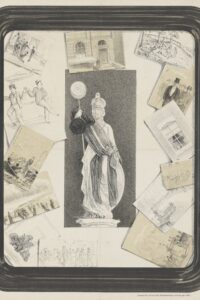
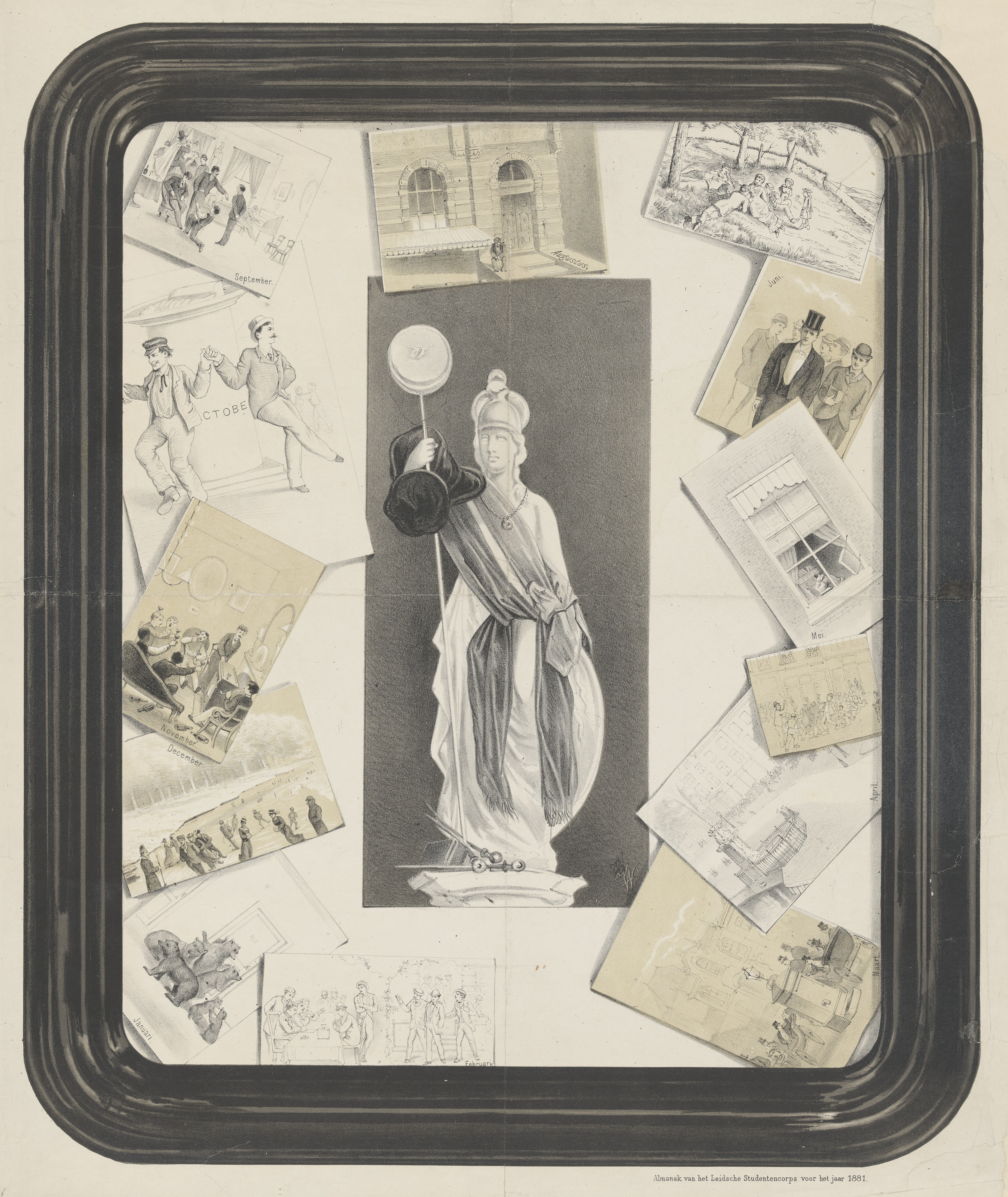
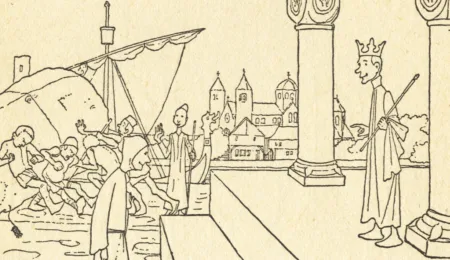
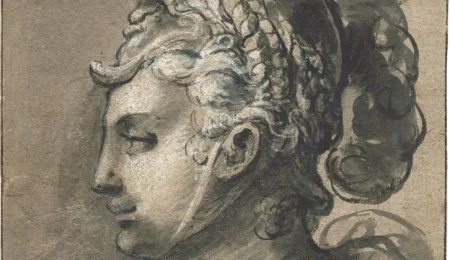
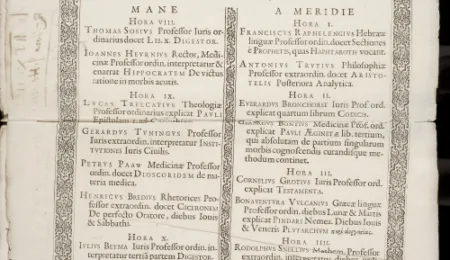
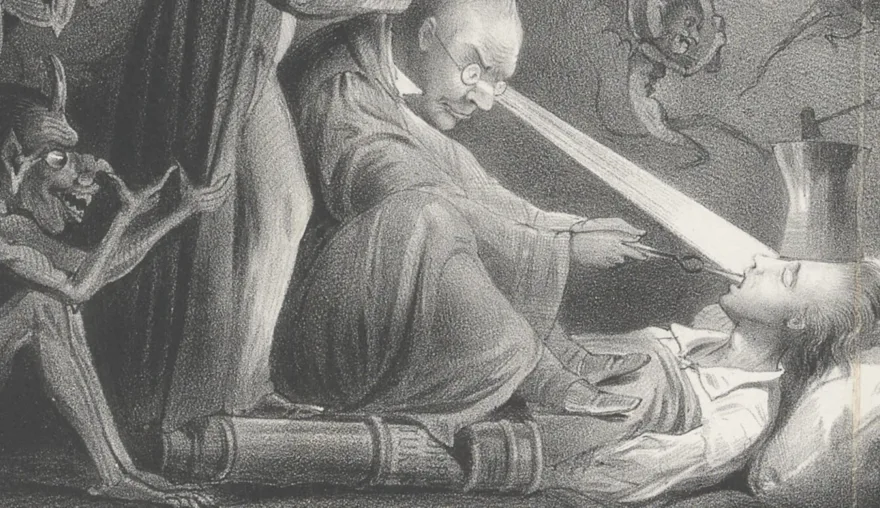
The Leiden Student Almanac — which began in 1815 as a general student almanac and became the formal yearbook of the Leiden studentencorps from 1841 onward — contained information for students for each year, such as the names of professors, the lecture schedule, and departure times of barges and courier services. The almanac also contained an annual report of the university and various student contributions, some by well-known authors such as Nicolaas Beets and François Haverschmidt (Piet Paaltjens). Between 1838 and 1897, the almanac almost always contained one or more almanac prints. These prints varied in dimensions and, because of the almanac's pocket size, were folded, sometimes bound, but often included separately. The prints were part of the "miscellany" at the back of the almanac, where the students' own contributions were included: as illustrations for a text, as a reminder of an event, or as an ironic sketch of current events. All the almanac prints are present in the Fontein Collection.
I said, I'm sitting on this chair and I'm not leaving until you tell me what it's about.”
Fontein began his collection in 1962 as a third-year medical student in Leiden. He was already collecting books, specifically related to the history of student life. However, it wasn’t a proper collection yet. That changed the day he walked into the antiquarian bookshop De Passage, owned by C.G. Cretier, near the Morspoort: “I always took my laundry to Mrs. Simons-Leget in the Morsstraat […] and across the street was a little shop with books and all sorts of things, owned by Mr. Cretier, a typical Leiden native. […] At one point, Cretier said he was going to receive something special. But he wouldn't tell me what it was. Well, that was a challenge. So I immediately made it clear how things were going to go. I said, I'm sitting on this chair and I'm not leaving until you tell me what it's about.”
In the end, it turned out to be about sixty Leiden student almanacs that Fontein was able to buy from him, and that's how his passion for collecting was ignited: “At first, I thought, I'll keep the nice ones and sell the rest. […] But seeing those almanacs from the late nineteenth century, beautifully executed with gilt edges, luxury copies, it was so magically beautiful that I became a collector from that moment on.”
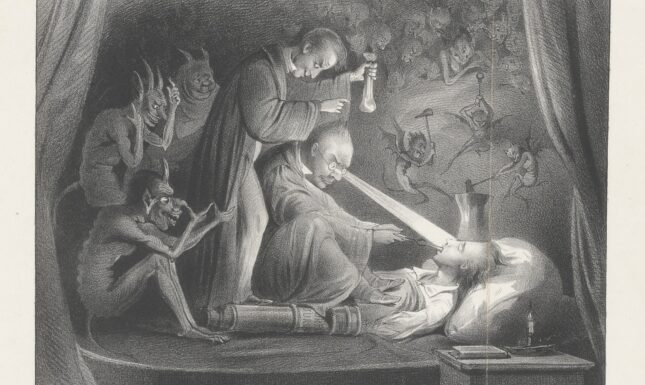
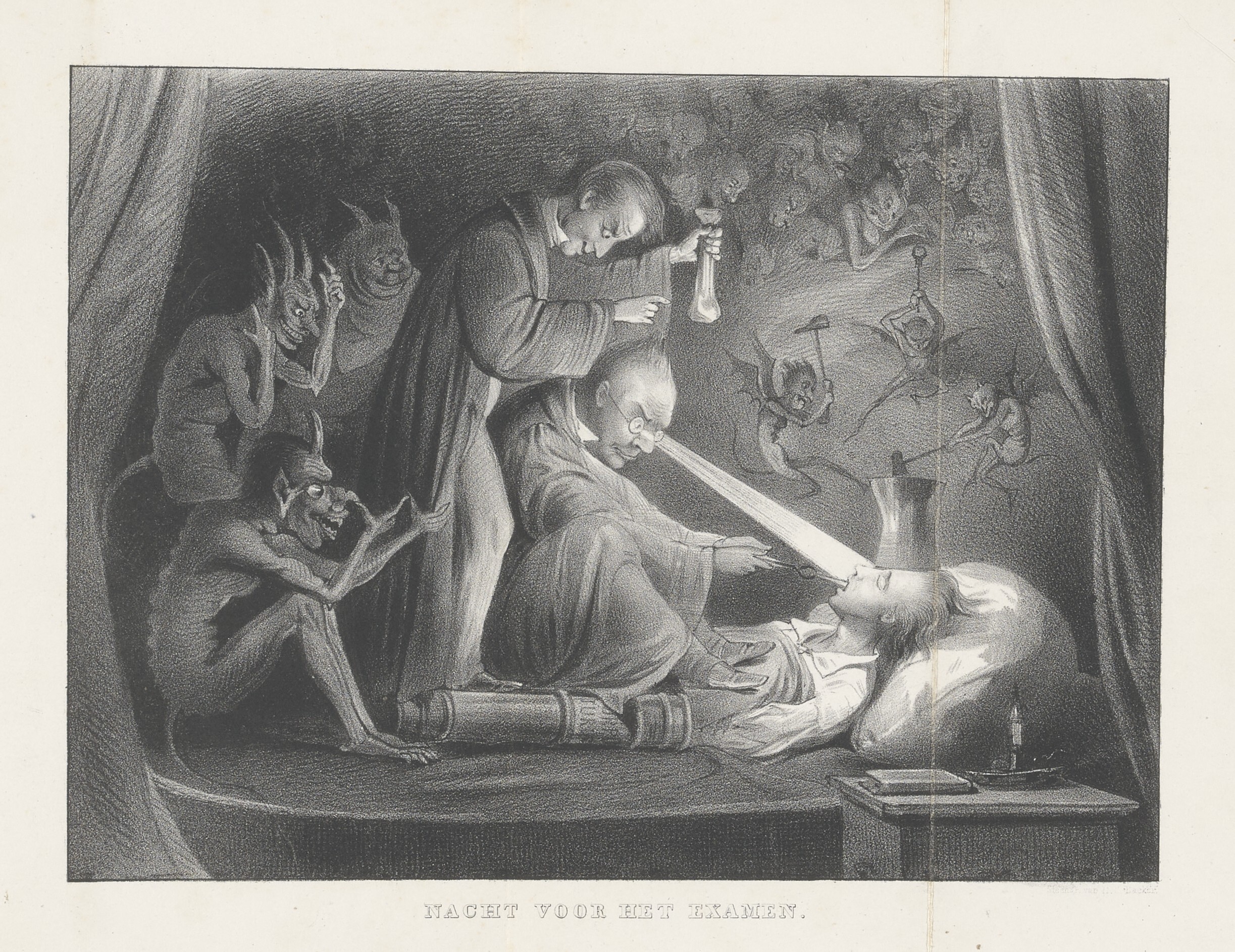
That's how Fontein's almanac collection started, but the real quest began when he found traces of a print in one of the almanacs he'd purchased: "I could see that the almanacs from the nineteenth century, especially the latter half, had apparently contained prints, because I found a torn piece of print in one of them [...]. That was a revelation. [...] Those prints were immediately so interesting that I started collecting them. And that, of course, became a huge hobby."
To finance his hobby in those early days, Fontein organized and staffed the roulette table during the reunion evenings of the Leiden studentencorps: "I was on the roulette committee for a very long time, and that's how I earned the money that went into the collection."

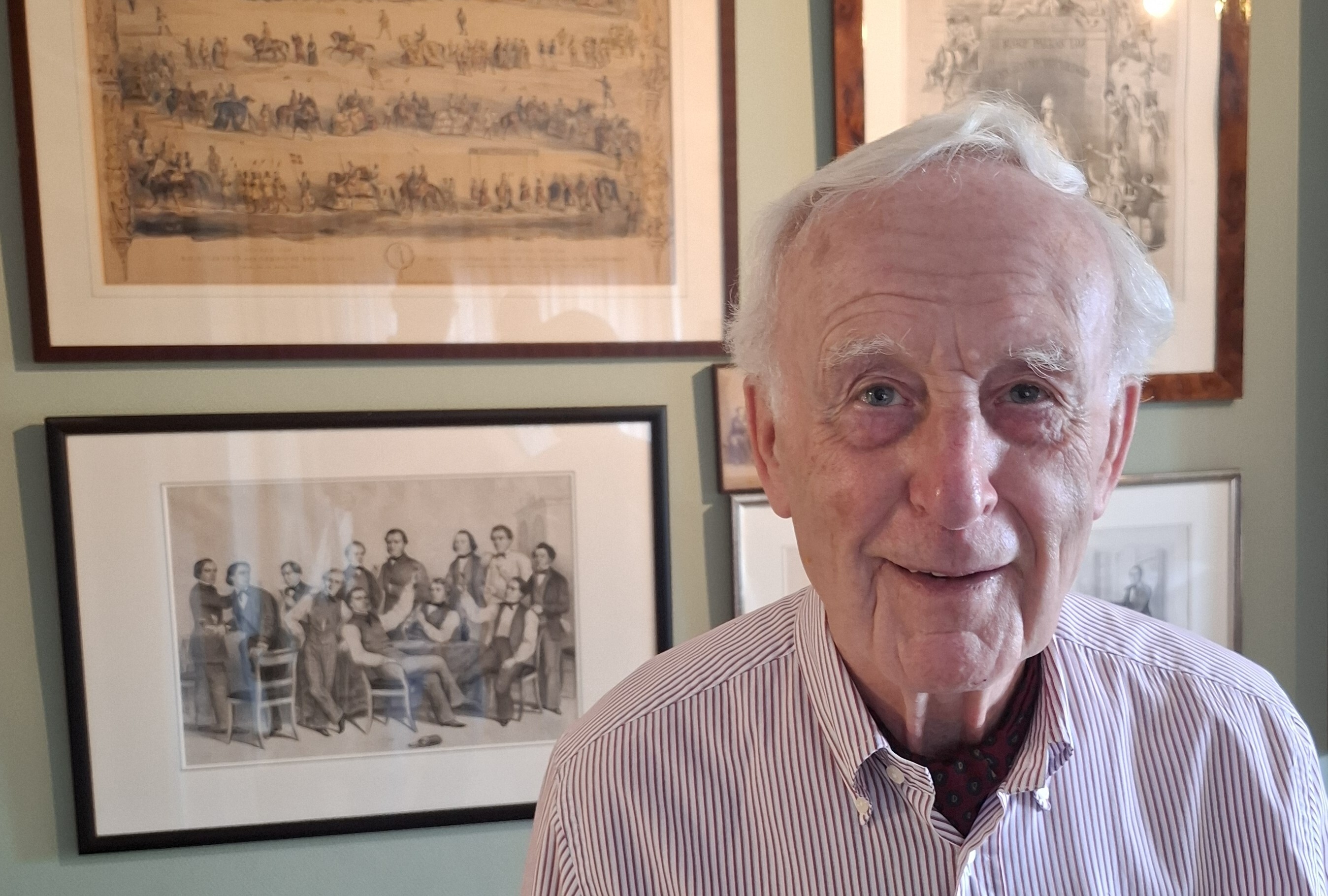
Partly due to the restoration of all the almanac prints, it became an expensive hobby, but he never regretted it: "I can safely say that it gave me far more than it cost me." It was a search spanning several decades, visiting antiquarian bookshops and auction houses, and establishing contact with dealers and other collectors, which in some cases resulted in long-lasting friendships.
Fontein recently had to move to a smaller home, but he is still, in a sense, surrounded by his collection. One wall of his apartment is covered with prints he kept: duplicates and prints that don’t belong to any of the almanacs. But he doesn't regret transferring his collection to the UBL; it gives him peace of mind that the collection has found a permanent home. He sees it as a token of gratitude for the time he was able to study at the UB, then still on the Rapenburg: "Thanks to the UB, I graduated. I'm someone who, after ten minutes of looking at an anatomy book at home, gets bored stiff. […] I couldn't study in my room, so my only refuge was the UB."
The Fontein Collection formed the basis for the online exhibition Van ontgroening tot geleerd zijn. Het Leidse studentenleven in almanakprenten published on the occasion of the 450th anniversary of Leiden University.