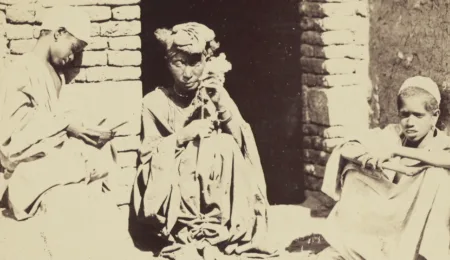
Contemporary Iran and Modernisation Through the Lens of an Album

Among the treasures in the Special Collections sits a remarkable photo album, Or. 25.777, purchased in 2000 from McBlain Books in the USA. Its twenty-five photographs document the inauguration of a hospital in 1955 in Shiraz, showing Iran’s 1950s modernization.
Iran’s Path to Modernisation
By the early 1930s, Iran was undergoing profound transformation under Reza Shah Pahlavi (1878–1944), who rose to power after the 1921 military coup and the deposition of Ahmad Shah, the last Qajar ruler. Building on currents from the Constitutional Revolution (1905–1911), his coronation reflected a vision of centralisation, modern governance, and national strength.
Reza Shah implemented sweeping reforms in infrastructure, administration, education, and public health. Schools increased from 612 in 1922 to 8,381 by 1938 (Matthee, 1993), while healthcare reforms modernised facilities and training (Heydari, 2024), including expanded opportunities for women in nursing (Moghadam, 2000; Raiesifar, 2016), and infrastructure projects connected urban and rural areas.
Iran’s modernisation paralleled regional developments; Mustafa Kemal Atatürk (1881–1938) in Turkey and King Amanullah Khan (1892–1960) in Afghanistan pursued similar reforms, though Amanullah faced resistance leading to his abdication (Shahrani, 2005). After Reza Shah’s 1941 abdication, Mohammad Reza Shah continued Iran’s modernisation, expanding universities, military academies, and public services. By the 1960s, the White Revolution formalised reforms through land redistribution, industrialisation, and expanded education and healthcare, complemented by philanthropic initiatives such as Namazi Hospital.
Mohammad Namazi, the philanthropist
Mohammad Namazi (1896-1972) was one of Iran’s most prominent 20th-century philanthropists and businessmen, closely associated with the development of Shiraz. Born into the charitable Namazi family, he spent his early years in Iran and abroad, later building a successful maritime trading business in Hong Kong. Returning to Iran in 1944, he was struck by Shiraz’s poor health conditions and lack of clean water. He financed the city’s first modern piped water system, completed in 1948. Namazi later founded major charitable institutions, including Namazi Hospital, a nursing school, an orphanage, and a technical school. His philanthropy greatly improved public health and education in Shiraz.
The Album: A Cultural Artifact and A Window into Modernisation
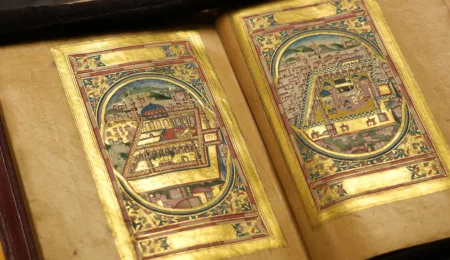
Cultural artifacts are vital primary sources, connecting viewers to the past and revealing social, political, and cultural contexts. This carefully crafted photo album, with lacquered, tasselled covers and Persian miniature-style illustrations, documents Mohammad Reza Shah Pahlavi, Empress Soraya, Mohammad Namazi, the hospital’s interiors, gatherings, and Shiraz landmarks, capturing a society embracing modern medicine, professional training, and social reform during the inauguration.
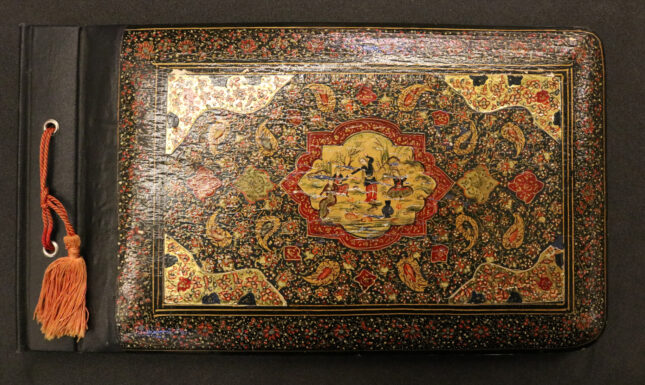
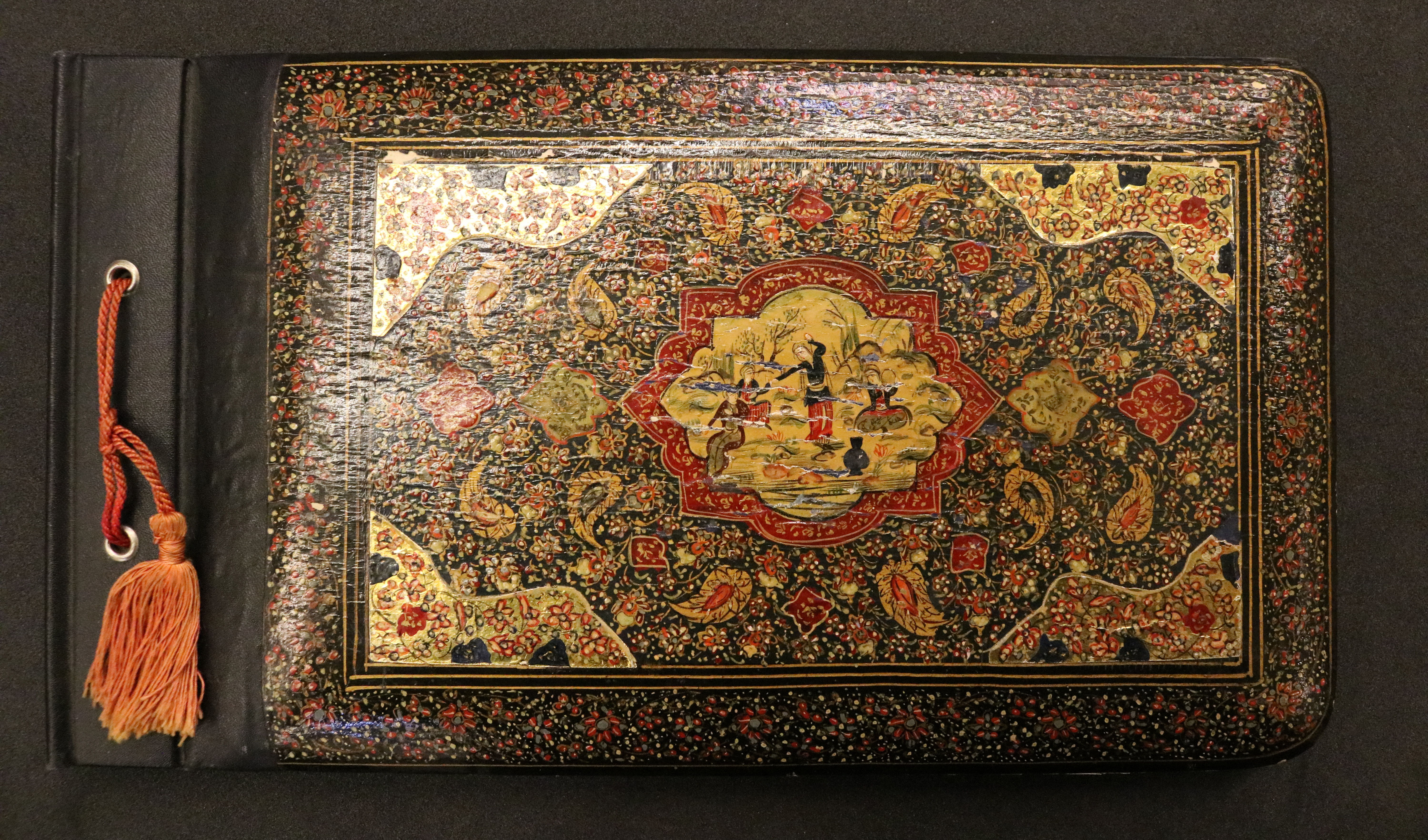
The album’s visuals depict key figures, architecture, and ceremonies, revealing Iran’s mid-1950s socio-political climate. Blending traditional aesthetics with modern aspirations, it reflects efforts to preserve heritage amid modernisation. Namazi Hospital, inaugurated 27 May 1955 (6 Khordad 1334 in the Iranian calendar) on Shiraz’s northwestern outskirts, then a quiet area surrounded by gardens, embodies the nation’s drive toward healthcare advancement and social progress.
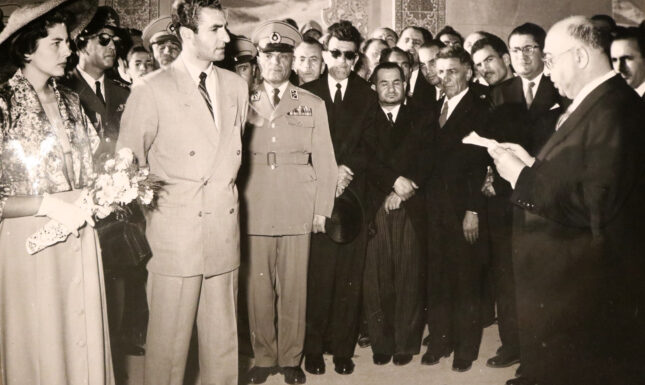
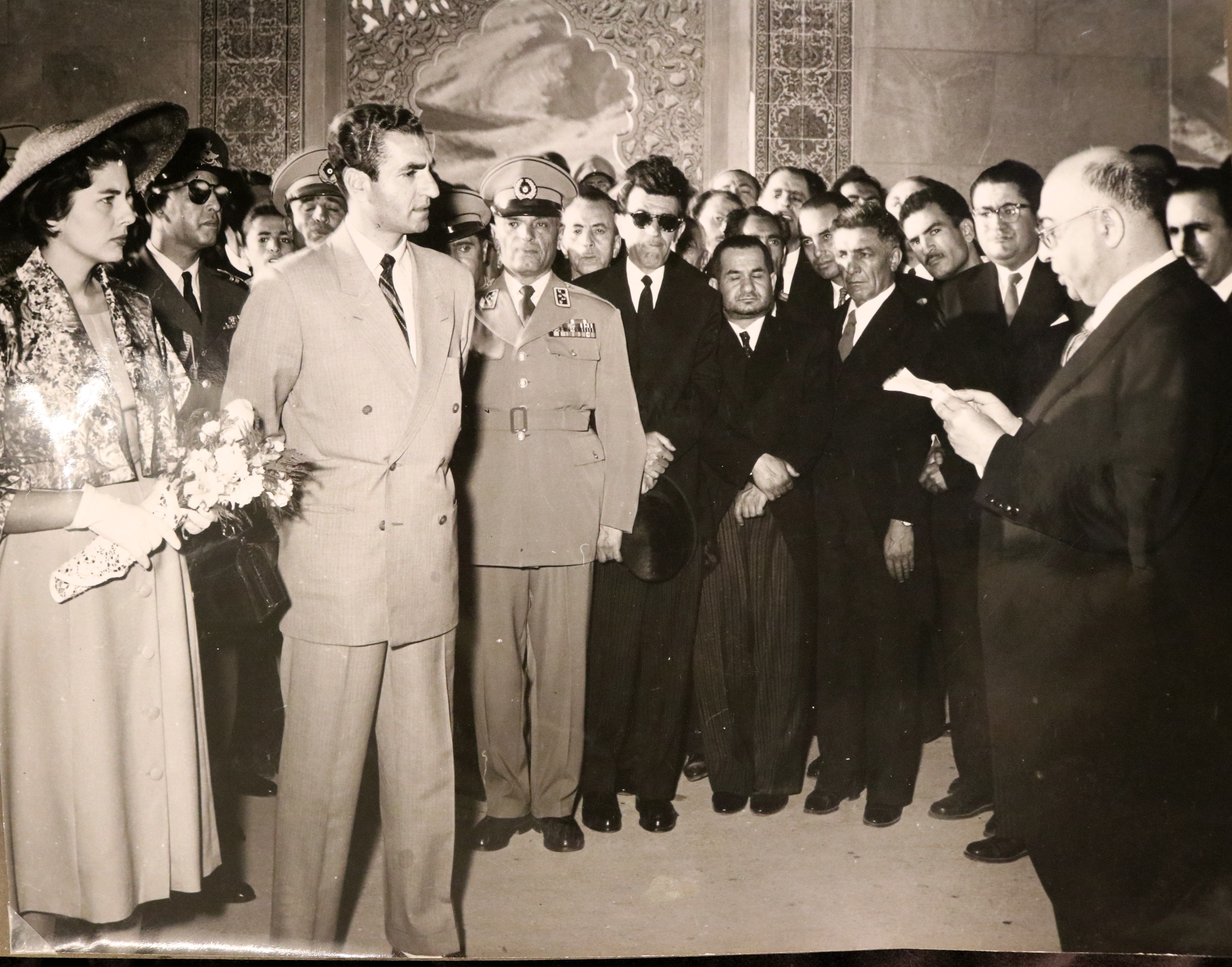
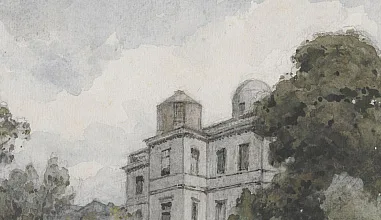
Built on the former Ahmadiye Garden, Namazi Hospital combined advanced medical facilities with a tranquil natural setting. Its maternity ward featured modern technology and trained nurses, while patient rooms offered private bathrooms and radios, rare at the time. A fully equipped laundry ensured hygiene, and on-site villas housed doctors and nurses, fostering a close professional community.
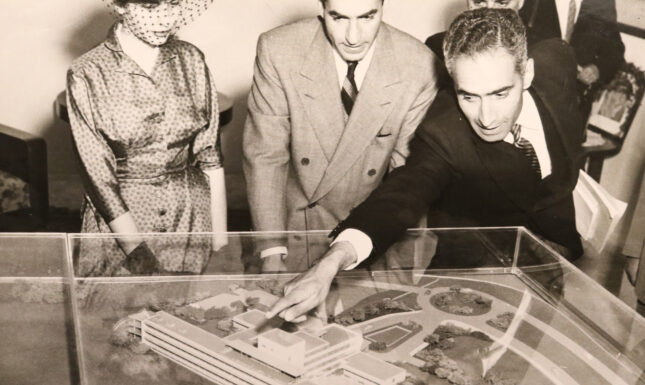
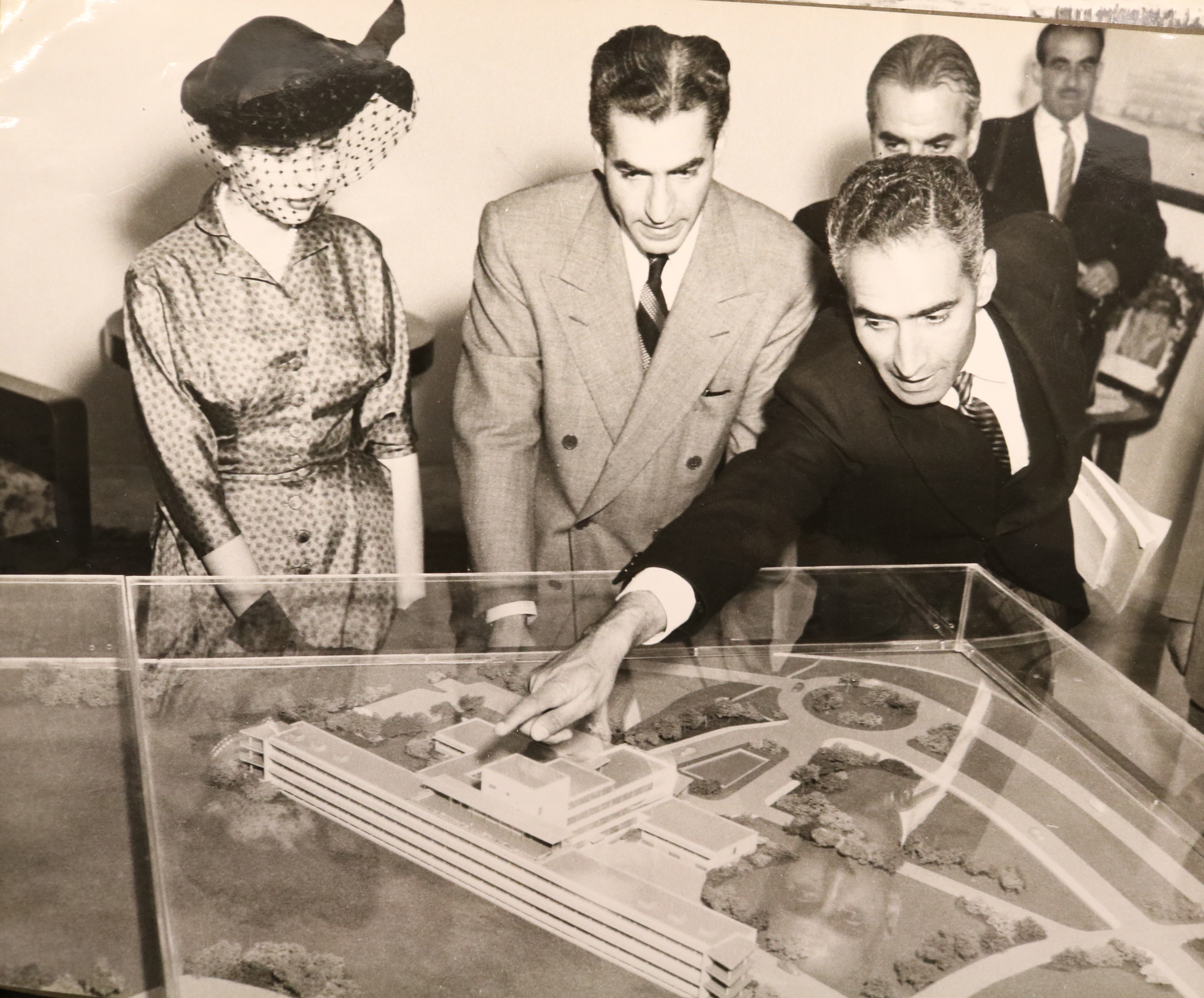
Complementing the hospital was the Amuzešgah-e ‘Āli-ye Parastāri (Advanced Institute of Nursing), established to train professional nurses. Modelled on leading American nursing schools, it combined theoretical instruction with practical training and a well-stocked library.
Beyond academics, the institute emphasised the well-being of its students, providing recreational amenities such as table tennis, fostering both physical and intellectual growth within a nurturing environment. Therefore, the hospital and its affiliated nursing school represented a new model of Iranian healthcare, integrating science, education, and humanistic care.
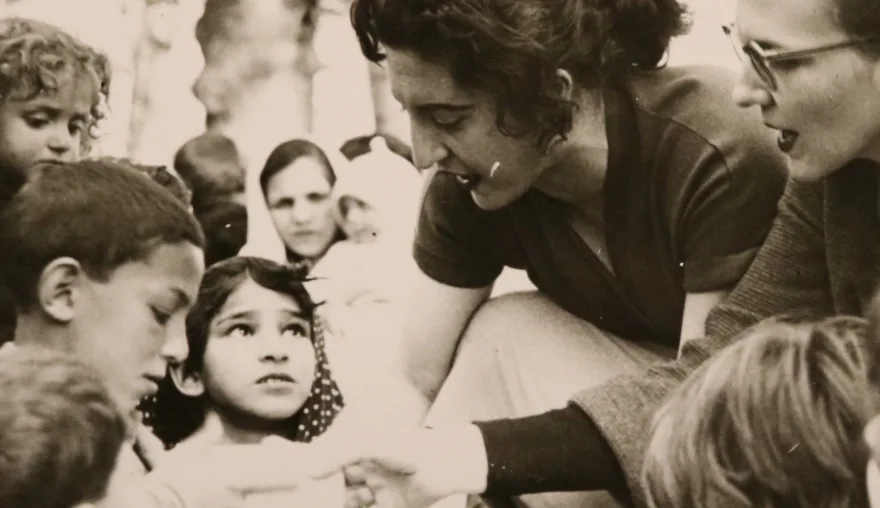
Other photographs capture scenes of community engagement and social welfare. Women are shown distributing supplies, likely food, clothing, or educational materials, to children and families gathered outdoors.
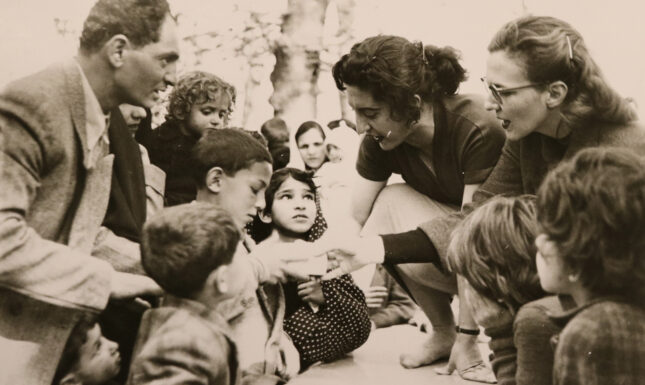
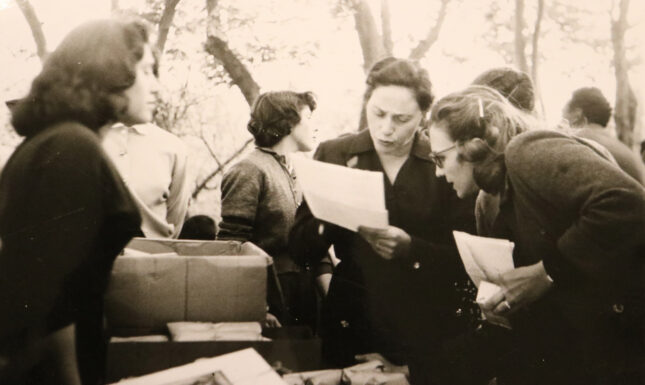
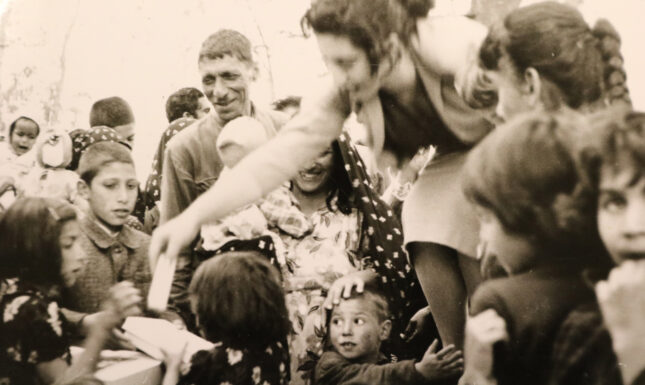
Figures 4-6: photo showing the helpers handing over supplies and talking to the people, staff going over their notes at their station, woman handing supplies to a girl while adult observe in joy. Leiden University Libraries, Or. 25.777
Their prominent role reflects the expanding participation of women in public and humanitarian activities (see also Tafreshi, 2010), illustrating broader social change in urban Iran. Smiling faces, attentive children, and orderly queues convey a sense of trust, compassion, and collective purpose.
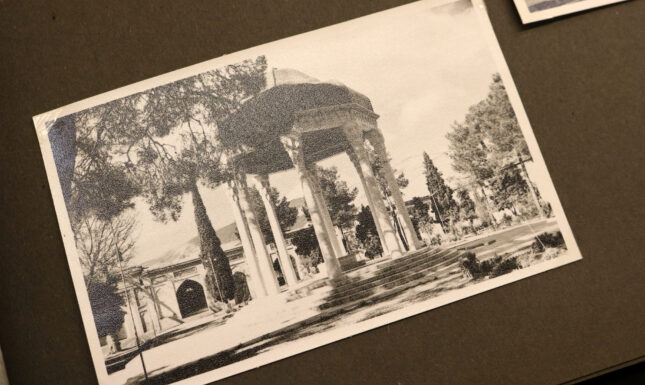
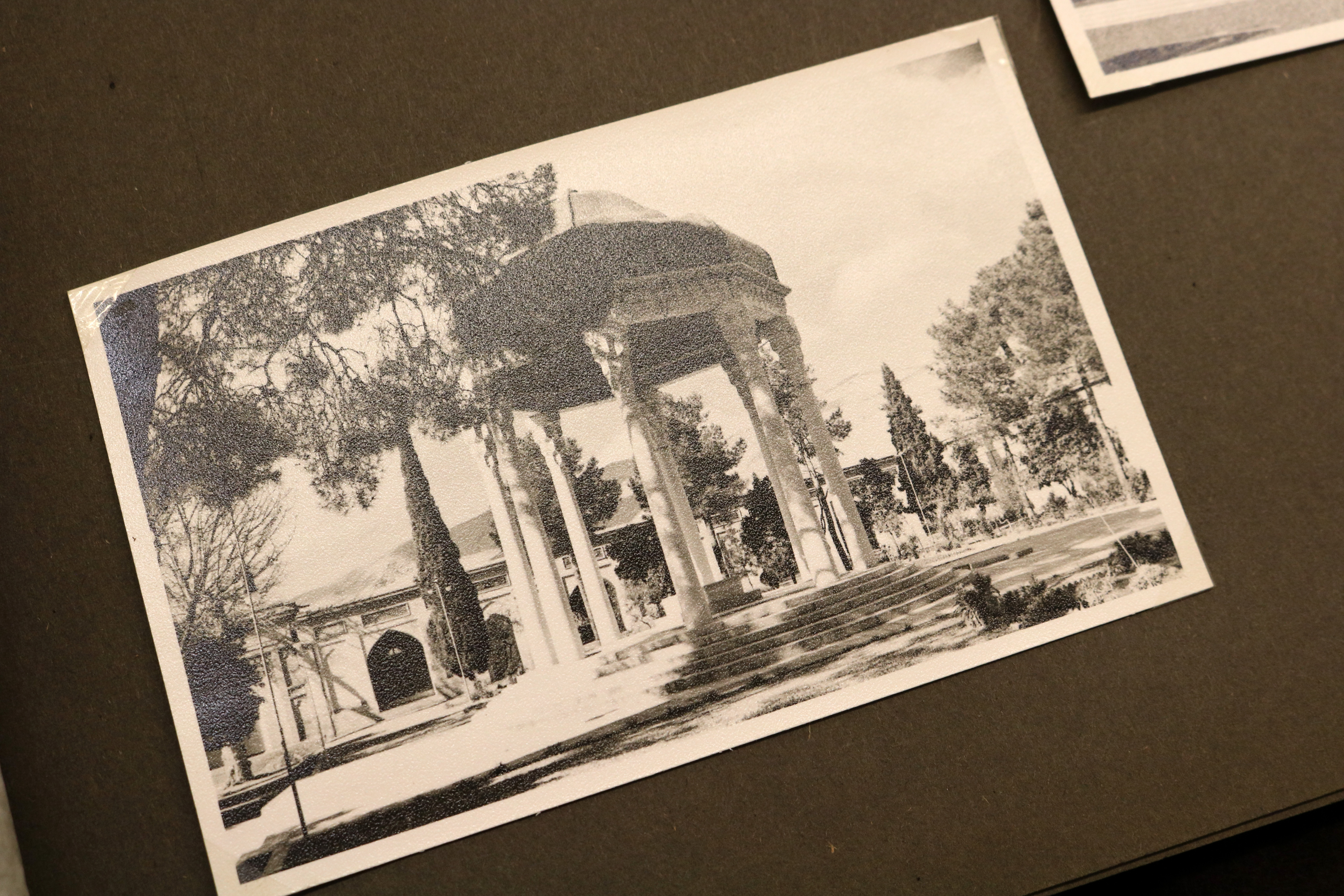
The inclusion of Shiraz’s landmarks, the Qorān Gate, Persepolis, and the Tomb of Hafez, adds a deeper cultural dimension. These images situate modern civic life within Iran’s rich historical landscape, presenting Shiraz as a city where enduring heritage and modern aspirations coexist. Through this visual dialogue, the album portrays a moment when tradition, progress, and social responsibility intersected gracefully in mid-20th-century Iran.
Further Reading
Heydari, A. (2024). Nursing developments in Iran during World Wars I & II. Journal of Nursing and Midwifery Sciences, 2(1), 1-10.
Matthee, R. (1993). Transforming Dangerous Nomads into Useful Artisans, Technicians, Agriculturists: Education in the Reza Shah Period. Iranian Studies, 26(3/4), 313–336.
Moghadam, V. M. (2000). Hidden from history? Women workers in modern Iran. International Journal of Middle East Studies, 32(4), 1-22.
Raiesifar, A. (2016). Sociopolitical development of the nursing profession in Iran. Journal of Nursing and Midwifery Sciences, 3(1), 1-7.
Rzepka, M. (2024). Protestant medical missions in Iran: Negotiating religion and modernity. Religions, 15(2), 145.
Shahrani, M. N. (2005). King Aman-Allah of Afghanistan’s Failed Nation-Building Project and Its Aftermath (Review Article). Iranian Studies, 38, 661-675.
Tafreshi, P. (2010). The history of the journey of Iranian women in the last century. Open Scholarship, 1-100.
For information about Mohammad Namazi, see https://ref.moin.ngo/people/محمد-نمازی
About the author
Dr Siavash Rafiee Rad is a linguist and Iranologist. He completed his PhD in Linguistics at the University of Manchester in the UK. He is currently an assistant professor at the Leiden Institute for Area Studies. His main research interests include theoretical linguistics, Iranian and Central Asian studies, as well as manuscript studies.