

Willem Einthoven's “thump-free hall”
Dirk van Delft discovers in Leiden’s curator archive where exactly Willem van Einthoven built his ‘thump-free’ hall: the room that allowed him to register the electrocardiograms that would earn him a Nobel prize.
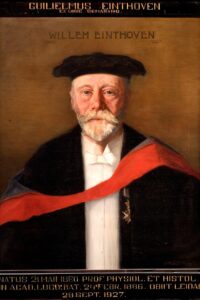
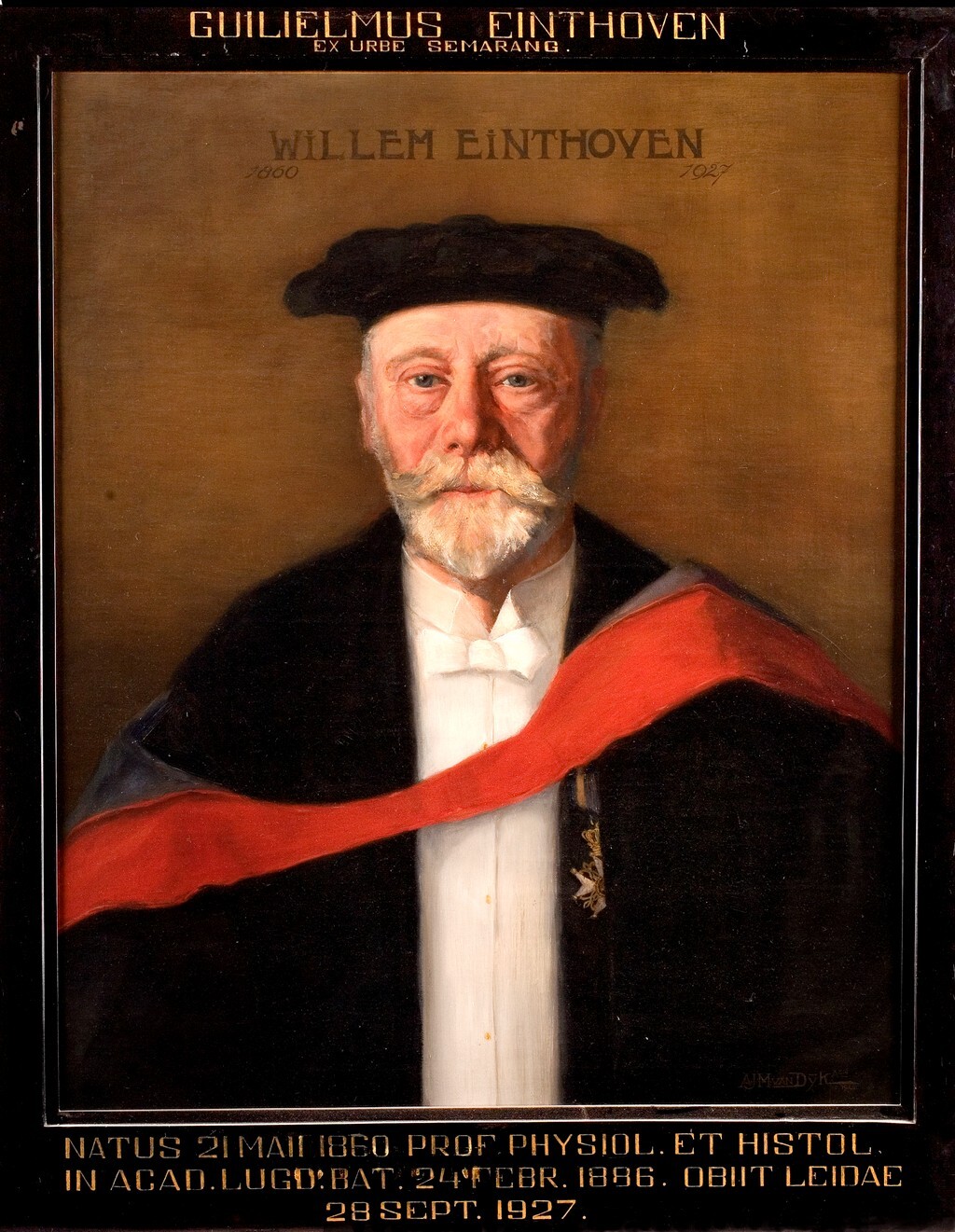
Leiden professor of physiology Willem Einthoven (1860-1928) won the Nobel Prize in Medicine or Physiology in 1924 ‘for his discovery of the mechanism of the electrocardiogram’. An ECG shows the electrical heart activity on paper (nowadays on a screen) as a function of time. The names of the peaks (P, Q, R, S, T) were coined by Einthoven, as was the designation 'electrocardiogram'.
To measure this electrical heart activity, the patient in Einthoven's time held his (women came later) left and right arm in pots of salt water and electrodes were connected to the measuring equipment. Nowadays, the patient has about twelve electrodes stuck to the skin (chest, wrists, ankles) and the equipment is compact and mobile, but the principle hasn’t changed. The ECG is still a widely used tool to examine the heart function. Worldwide, the technique is used hundreds of thousands of times every day.
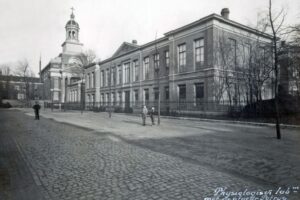
The first human electrocardiogram was recorded in London in 1887 by physiologist Augustus Waller. The result was far from perfect. The first Leiden ECGs were made five years later in the Physiological Laboratory on the Zonneveldstraat. Einthoven used his brother-in-law Willem de Vogel and his amanuensis Karel van der Woerd as subjects. These ECGs too lacked quality. Environmental vibrations affected the recordings of the minute heart signals to such an extent that Einthoven stopped work on the ECGs pending a solution.
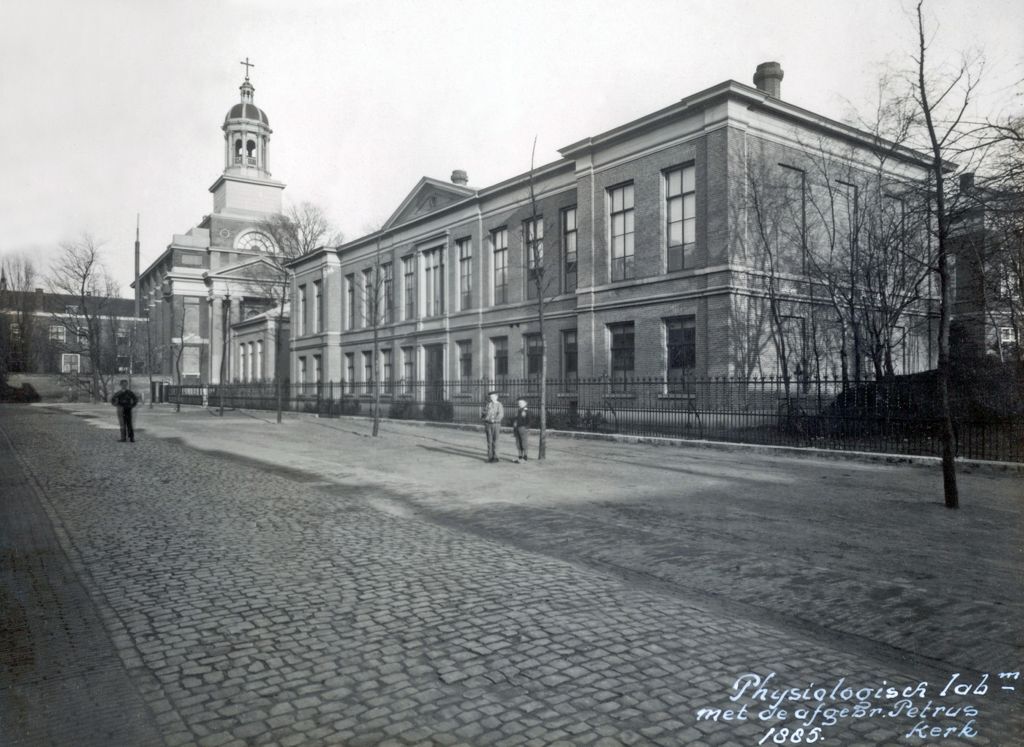
In 1891, Einthoven submitted a plan to the university's curators for a renovation of his laboratory. Increasing student numbers had created an acute lack of space and a new roof construction would provide extra workspace. At the same time, the professor-director had set his sights on a 'thump-free room' (dreun-vrije zaal) in order to collect accurate electrocardiograms.
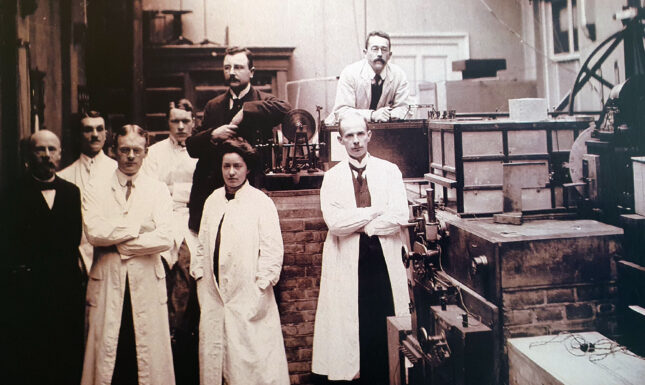
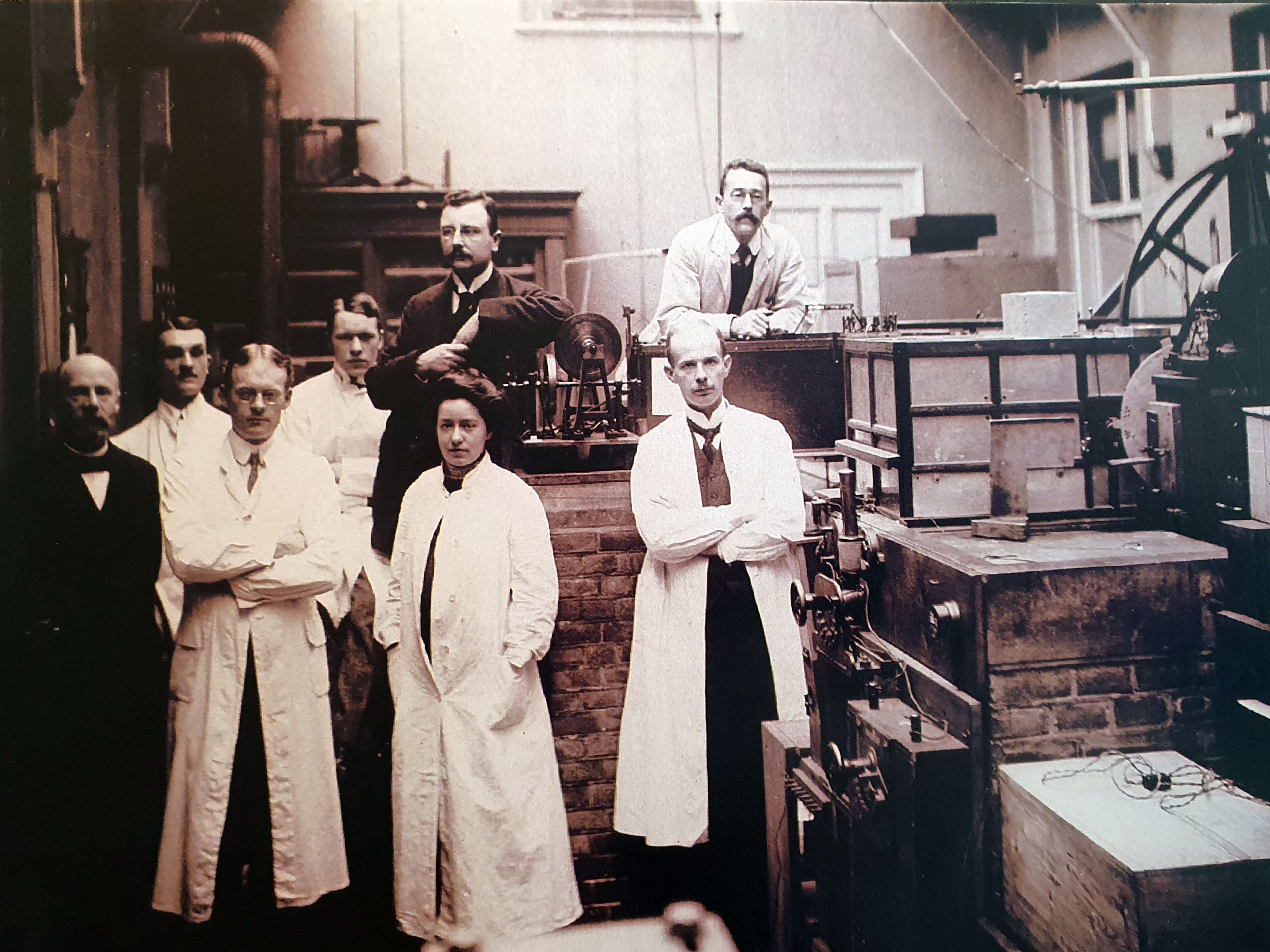
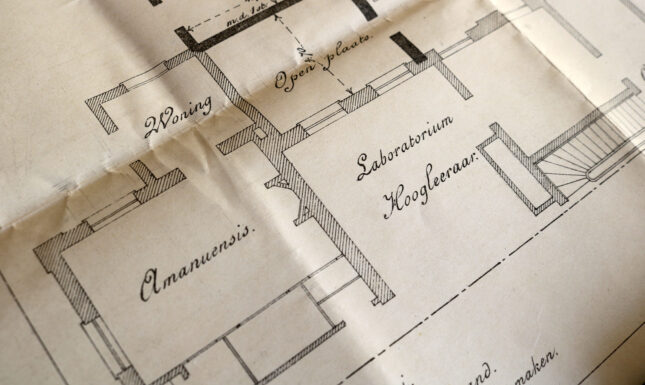
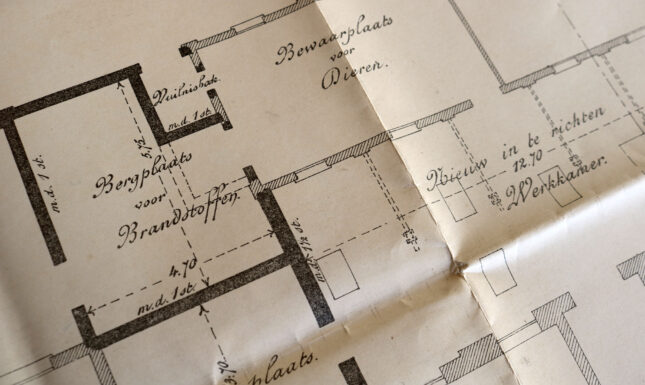
Where was that thump-free hall created? Until now, that was unclear. Photos show a space equipped with stone pillars on which equipment rests, and light shining in from above. Was it an extension? We possess no aerial footage of the Physiological Laboratory to prove it. The building was demolished in the early sixties to make way for a new physics wing. When the physics department left the city centre of Leiden, the Law Faculty took possession of the entire Kleine Ruïne (Small Ruin), as the site was called after the gunpowder disaster of 1807.
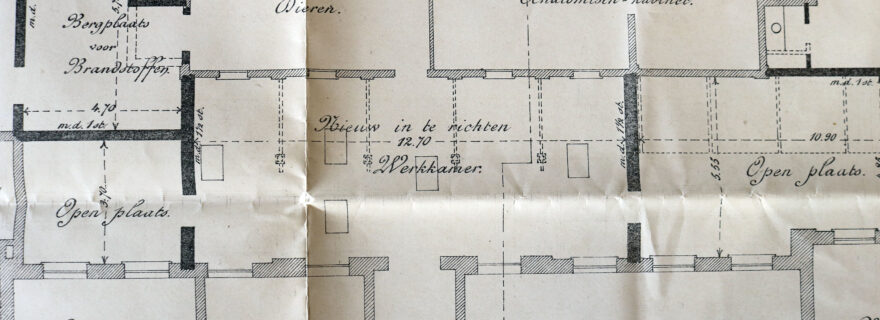
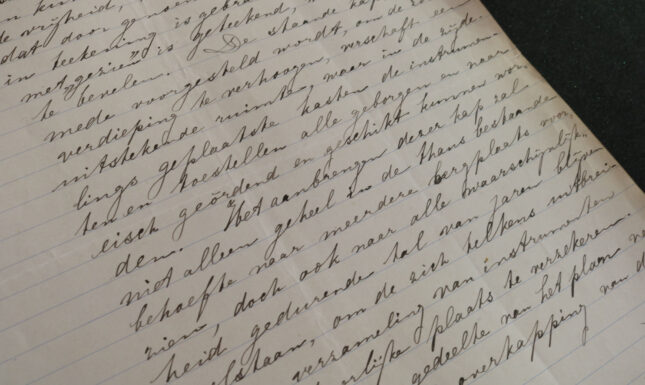
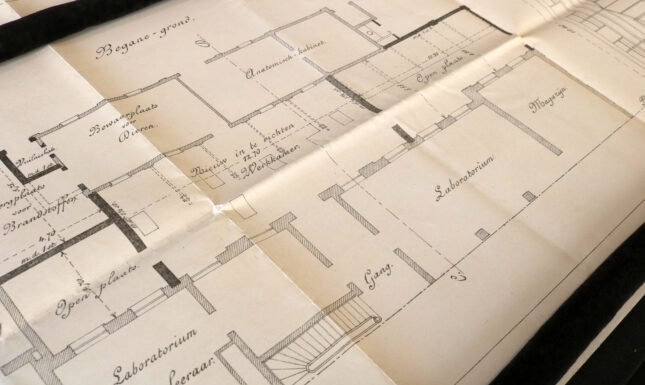
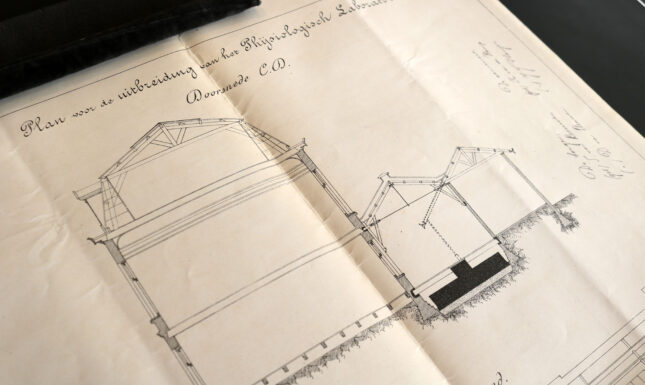
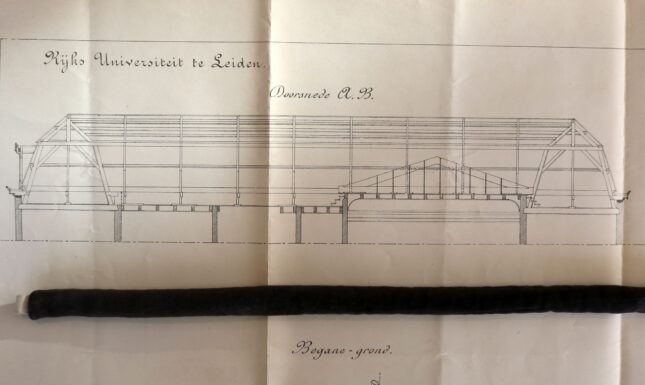
As a biographer of Willem Einthoven (and earlier of Kamerlingh Onnes), I naturally wanted to find out the exact location of the drum-free room. I found my answer in the University's curators' archive. In a letter to the curators dated 26 January 1891, Einthoven mentions consultations with the 'Superintendent of the State Buildings' in which there is talk of a 'glass roof' over the courtyard behind the laboratory, enclosed by the main building, a room for anatomy, an animal enclosure and a new storage room for fuels. According to Einthoven, this would provide the laboratory with 'an extraordinarily beautifully lit workshop, which will be ideally suited for more than one purpose'. The official report of 25 April 1892 of the ‘tender upon registration’ was accompanied by a construction drawing scale 1:100.
My question was answered.
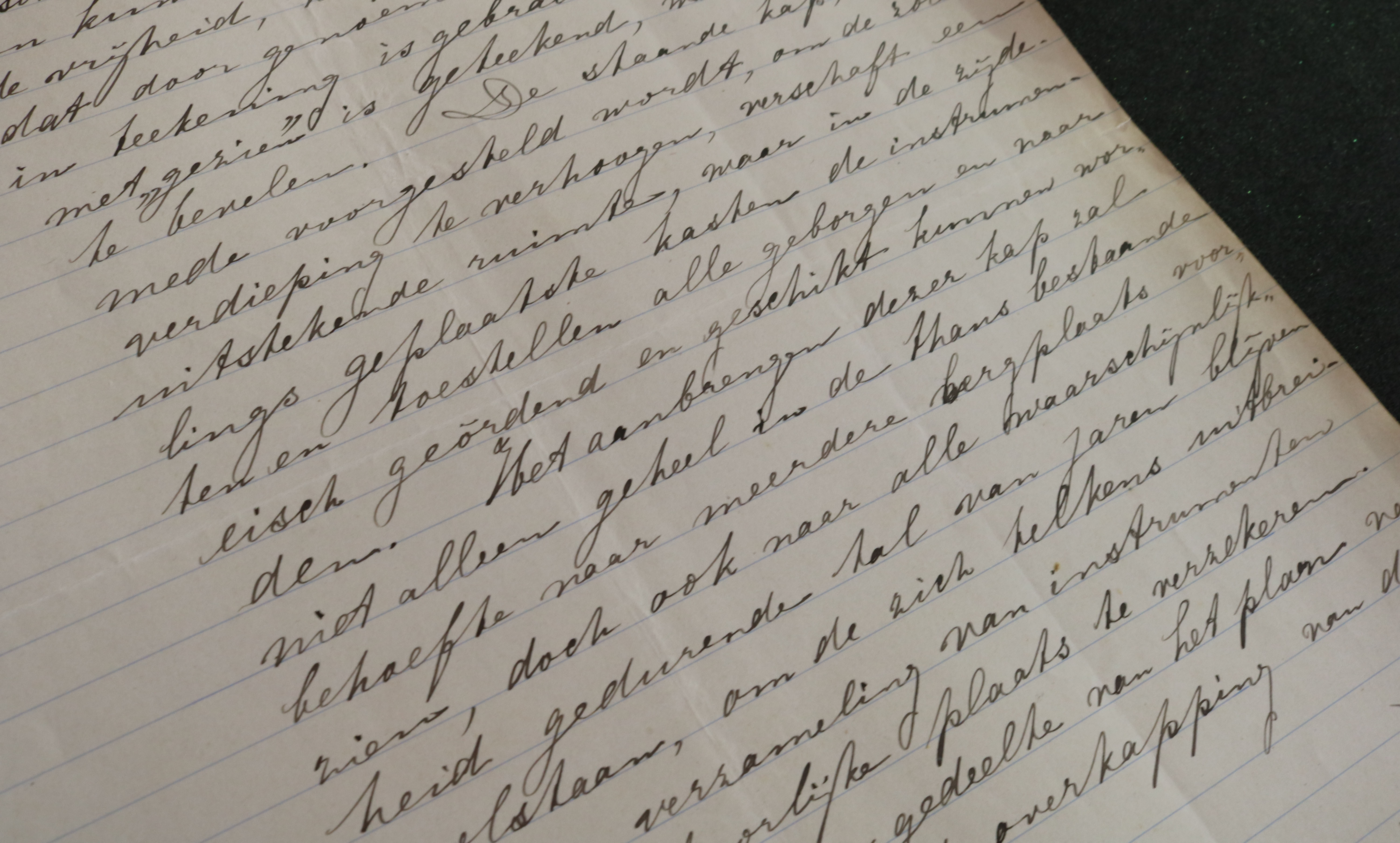
The renovation had to be completed by 31 August 1892, according to the official report. Costs: f 12,479. Einthoven did not experience much trouble from the construction activities: he spent the summer months doing research at the Zoological Station in Naples.
The new research area had to deal with soil vibrations. To this end, a 'fixed pillar' was constructed in which 45 cubic meters of bricks were incorporated. The underground colossus weighed a hundred tons and was built 'free of the foundations'. This was to benefit the electrocardiograms. But when Einthoven, back from Naples, tested the equipment, solidly attached to the stone pillar, it turned out that the vibrations were by no means adequately dealt with, not even after adding slabs of rubber.
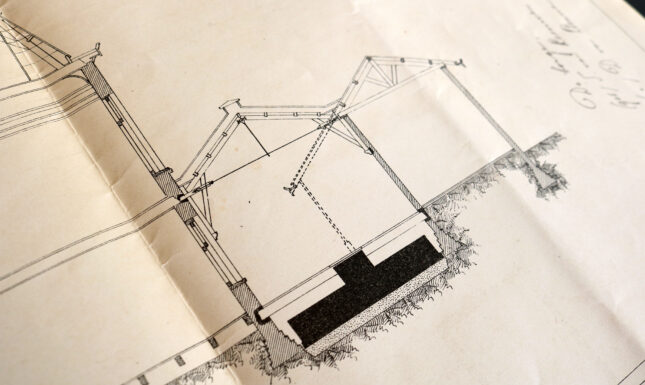
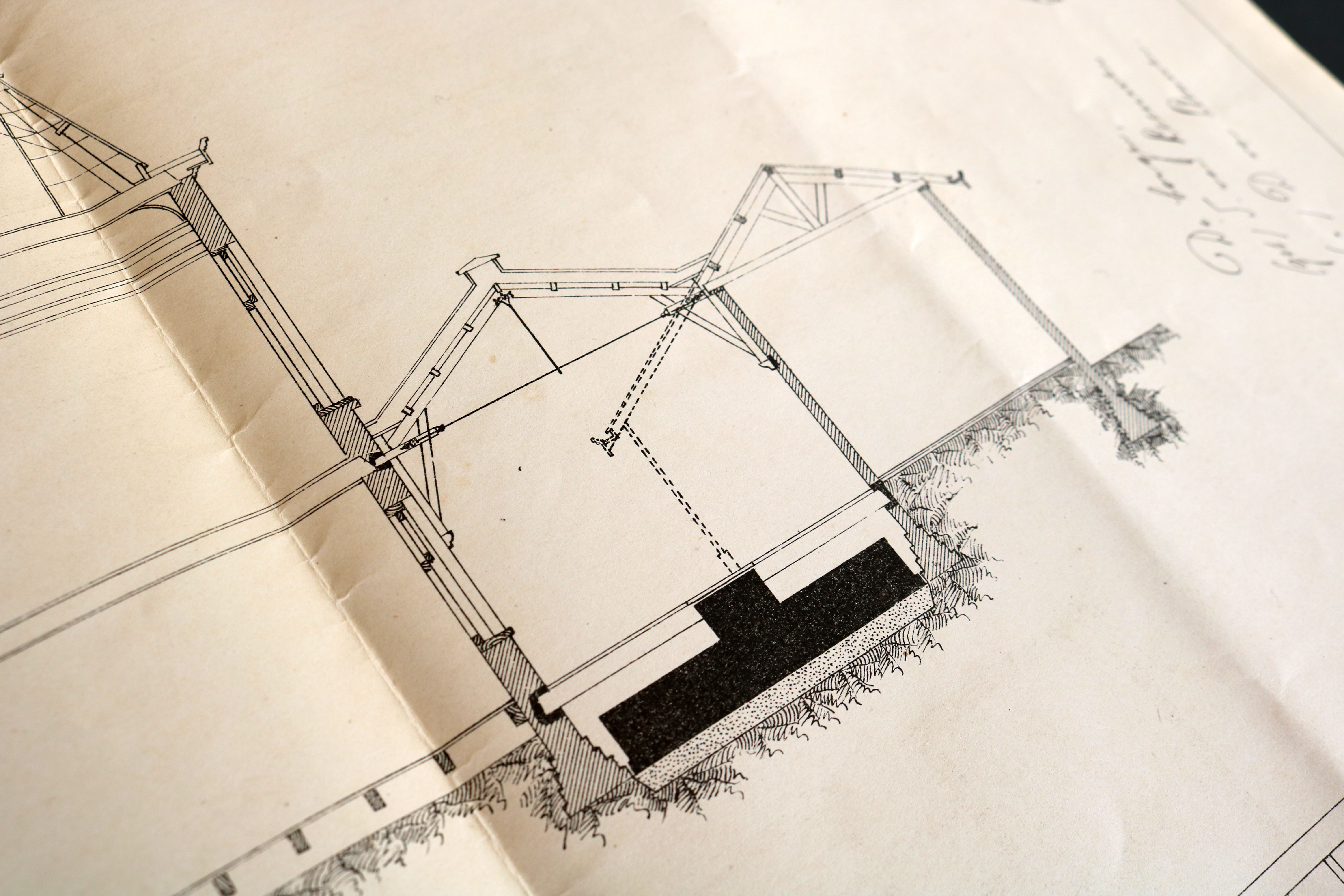
Einthoven then decided to take a different approach: he placed the ECG equipment on an iron plate of one by one meter, let it float in a hard stone container filled with mercury (mercury has a higher density than iron) and placed the whole thing on the drum-free, solid pillar. The 3.8 liters of mercury – 'the only expensive material' – did the trick: a test set-up on which vibrations had no effect. Finally, Einthoven was able to record electrocardiograms without hindrance from a running gas engine in the area.
About the author
Dirk van Delft, former director of Rijksmuseum Boerhaave and emeritus professor by special appointment of Material Heritage of the Natural Sciences, is a guest researcher at the Lorentz Institute of Leiden University.
Further reading
A heartbeat from 1881